Why Kentucky Cryptid Legends Still Grip Us
Kentucky has no shortage of things that go bump in the night. From a goat-like figure tied to a Louisville trestle to a creature known simply as the Dogman of Land Between the Lakes, the state’s monster stories refuse to fade. Folklorists say there’s a good reason for that, and it has a lot to do with the people telling them.
- Folklorists define cryptids as creatures people believe in even though there’s no physical evidence they exist.
- Kentucky’s legends draw from Appalachian geography, European ghost dog tales and Cherokee history.
- Experts say these stories help communities cope, warn each other and build a shared sense of identity.
Meet the Creatures Behind the Campfire Tales
Some cryptids are household names. Bigfoot and Mothman are known far and wide. But Kentucky also has its own homegrown cast, and these regional figures tend to stick closest to the people who grew up hearing about them.
The Pope Lick Monster is probably the best known. The legend centers on the Pope Lick area of Louisville, and it’s popular enough to have its own party. The Goatman Festival marked its 10th year this October at Pope Lick Park, packing four days with live music, horror movies, art, cryptozoology and paranormal investigation. It’s a fun way to celebrate a spooky story. The real trestle is another matter. It has been the reported site of fatal incidents, so the legend is best enjoyed from a festival lawn and never from the trestle itself.
The Dogman of Land Between the Lakes has its own loyal following. And in Appalachia, the list grows longer. The Snarly Yowl echoes centuries-old European tales of spectral black dogs. Spearfinger traces its roots to Cherokee history. Each one carries a little piece of where it came from.
Why the Landscape Makes Such a Good Storyteller
So what is a cryptid, exactly? Folklorists describe it as a creature or monster that people believe exists despite a lack of physical evidence. That gap between belief and proof is where the fun starts.
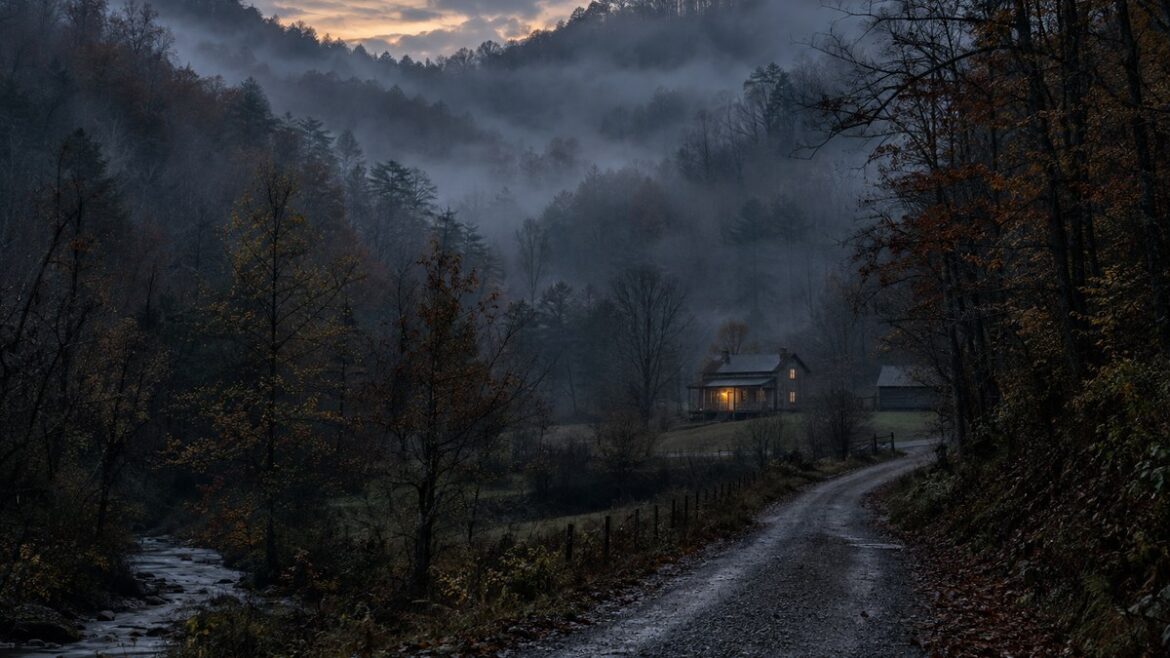
Geography helps a lot. The Appalachian Mountains run from eastern Canada down to Alabama, crossing communities with their own oral traditions and local legends. Across the region, dense forests, steep hollows and misty mountaintops make a natural stage for a strange shape glimpsed between the trees. When the woods go quiet and the fog rolls in, it doesn’t take much imagination to wonder what’s out there.
Dr. Harold Bosstick, an academic folklorist and assistant professor of English at Lindsey Wilson University in Columbia, says the draw often comes from a basic human desire for mystery. In his view, people love talking about monsters whether they believe in them or not. Joining in on a shared story is intriguing all by itself. Bosstick put that idea into practice this fall, leading a campus “SnackChat” on October 21 about the animals and creatures that have appeared in and haunted the region.
Legends That Carry Real Weight
It’s easy to treat cryptids as pure entertainment. Folklorists see something deeper going on. Camille Maria Acosta, a folklife specialist with the Kentucky Folklife Program, says these legends are closely tied to the human experience.
Many of the stories work as cautionary warnings. Others serve as coping mechanisms, giving people a way to talk about fear and loss without talking about it directly. Some reflect real anguish and generational trauma. Sightings have been linked to historical tragedies, such as the collapse of the Silver Bridge, and to national crises. A monster can become a way to hold onto a hard memory that a community isn’t ready to set down.
That cautionary angle feels especially fitting with Pope Lick. A story that keeps people wary of a dangerous trestle is doing a job, whether anyone realizes it or not.
Recipes, Baskets and Music Count Too
Cryptids grab the headlines, but experts point out that folklore covers far more ground. Family recipes count. So do traditional basket weaving, music and local architecture. These are the everyday traditions that tell you where someone’s from before they ever say a word.
That’s part of why monster tales feel so personal. Whether you grew up in Lexington, KY, or a small town tucked into the eastern hills, there’s a good chance someone at a family gathering once told you about a strange howl or a shadow on a back road. Those moments stick with you right alongside Grandma’s cornbread and the songs on the porch.
Keep the Stories Going This Season
Community festivals, storytelling traditions and social media all give Kentuckians ways to share these legends. Folklorists say that sharing helps people show off their regional identity, build camaraderie and find common ground with neighbors they might not otherwise talk to.
So the next time someone brings up the Goatman or the Dogman, lean in and listen. Ask where they first heard it. Trade your own version. You don’t have to believe a word of it to enjoy the tale. Just keep it safe, keep it fun and keep passing it on.
This post may contain affiliate links. Meaning a commission is given should you decide to make a purchase through these links, at no cost to you. All products shown are researched and tested to give an accurate review for you.