Japanese Tourist Villages Face Growing Bear Crisis as Attacks Hit Record Numbers
Picture-perfect mountain villages across Japan are dealing with an unexpected visitor problem. Black bears and brown bears have pushed out of forests and into tourist hotspots at alarming rates, turning peaceful UNESCO World Heritage sites into zones where visitors now carry bear bells, and authorities set honey-laced traps.
- More than 220 people have been injured by bear attacks since April 2025, with 13 deaths reported across Japan.
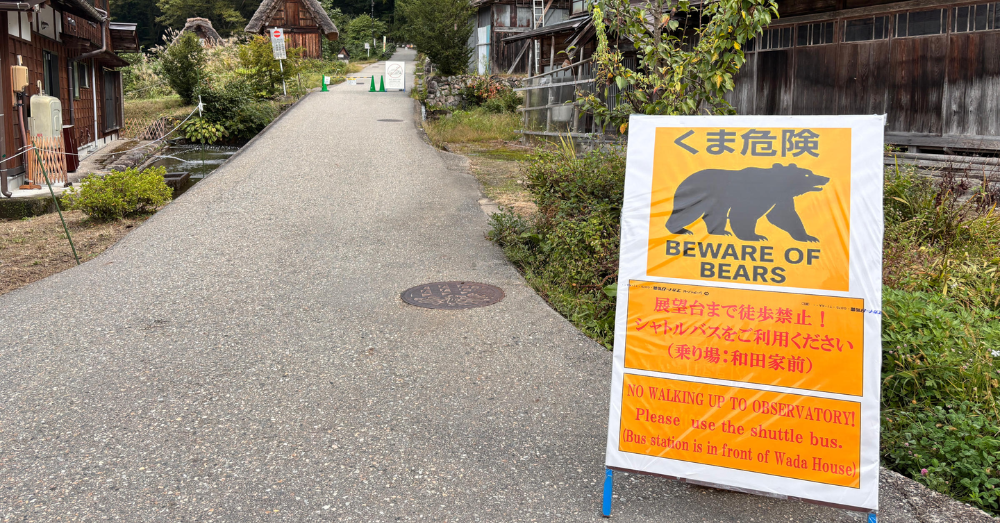
- Shirakawa village recorded over 100 bear sightings this year compared to just 35 last year, forcing officials to implement emergency safety measures.
- Climate change, poor acorn harvests, and abandoned farmland have driven hungry bears into residential areas and popular tourist destinations.
When UNESCO Sites Turn Into Wildlife Zones
Shiroki Mitsunari doesn’t remember seeing bears when he was growing up in Shirakawa. His quiet village in central Japan, famous for its historic thatched-roof houses, felt worlds away from wildlife concerns. Things changed fast. Last month, a Spanish tourist was attacked by a bear cub near the UNESCO-listed Shirakawa-go site. Authorities have trapped six bears since then using honey as bait.
“There are a lot more bears coming,” Mitsunari said. At 40 years old, this local official oversees bear deterrence efforts for the village. Bear sightings jumped from around 35 last year to over 100 this year. Before this incident? Twelve years since the last attack.
Authorities aren’t messing around. They’ve chopped down fruit trees that might attract bears and issued warnings about walking in groups and wearing bear bells. Some areas are off-limits now. Chinese tourists like Cornelia Li adjusted their plans after reading Japanese news about sightings. She strapped a bear bell to her 4-year-old daughter’s backpack and skipped rural hotels entirely, booking city accommodations instead.
What’s Driving Bears Into Tourist Spots
Bear encounters have spiked because of several colliding environmental problems. Japan’s black bear and brown bear populations have tripled since 2012, jumping from about 15,000 to 54,000 animals. Warmer temperatures helped them reproduce faster, but those same hot summers killed off acorns and beech nuts, the bears’ main food sources.
When you mix growing bear populations with shrinking food supplies, hungry bears start looking elsewhere. They’ve wandered into supermarkets, schools, train station bathrooms, and shopping malls. Seven people died last month alone during peak foraging season before hibernation.
Rural depopulation makes things worse. Villages that once buzzed with activity now sit empty as younger residents move to cities for work. Abandoned orchards keep producing fruit, creating easy meals for bears. Oak wilt disease has killed 70% of certain oak trees in Niigata Prefecture, wiping out another food source.
Japan’s hunter population has crashed, too. Nearly 518,000 licensed hunters worked in 1975. By 2020, that dropped to fewer than 218,500, with more than half over 60 years old. These aging hunters can’t keep up with growing bear populations, especially since Japanese law restricts firearm use for bear control.
How Tourists Should Adapt
Travel advisories about bear attacks in Japan have been issued by the U.S., China, and Britain. That doesn’t mean you should cancel your trip, just be smarter about it. Check local bear sighting maps before heading into rural areas. Hokkaido and Tohoku regions maintain real-time tracking systems showing recent activity.
Bears are most active at dawn and dusk. Skip the sunrise hikes and evening strolls in mountain areas. Stick to populated trails during midday. Travel in groups whenever possible. Don’t leave your snacks in the glove compartment of your rented Toyota Rav4 when parking at trailheads. Bears have damaged cars trying to get at food inside.
Pick up a bear bell at local shops. They’re cheap and effective at alerting bears to your presence before surprise encounters happen. Dispose of trash properly. Food waste attracts bears to areas where they wouldn’t normally venture. Some regions have installed electric fences around farmland and placed warning signs at popular tourist sites.
What Japan’s Doing About It
Japan’s Environment Ministry allocated 3.4 billion yen ($22 million) for bear countermeasures in this year’s budget. Plans include recruiting retired police and self-defense forces as armed hunters and subsidizing local governments for traps and monitoring drones. In 2024, the government reclassified bears from protected species to managed wildlife, the same category as deer and wild boar.
Local schools have given students bear bells and required them to walk home in groups. Village officials like Mitsunari take the responsibility seriously. “That was pretty shameful for us,” he said about the Spanish tourist attack. He’s working to prevent any more incidents.
Wildlife experts stress that both population control and prevention matter. Capturing bears near residential areas helps, but managing food sources makes the bigger difference long-term. That means clearing persimmons, controlling garbage, and installing electric fences.
Planning Your Japanese Adventure Safely
Japan’s countryside offers stunning experiences you won’t find anywhere else. Bear problems shouldn’t scare you off completely, just make you more prepared. Research your destinations ahead of time. Areas like Shiretoko and Daisetsuzan in Hokkaido are high-risk zones due to abundant wild berries and acorns. Consider visiting during seasons when bears are less active.
Book accommodations in larger towns if you’re concerned. Many tourists now avoid isolated mountain lodges, opting for day trips from cities instead. This gives you access to natural beauty without overnight risk. Respect warning signs and closed trails. Authorities don’t shut down areas for no reason. They’re trying to keep both visitors and bears safe.
Japan is dealing with something that took decades to develop. Climate shifts, population changes, and ecosystem disruptions don’t reverse overnight. With awareness and proper precautions, though, you can still explore these areas safely.
This post may contain affiliate links. Meaning a commission is given should you decide to make a purchase through these links, at no cost to you. All products shown are researched and tested to give an accurate review for you.