
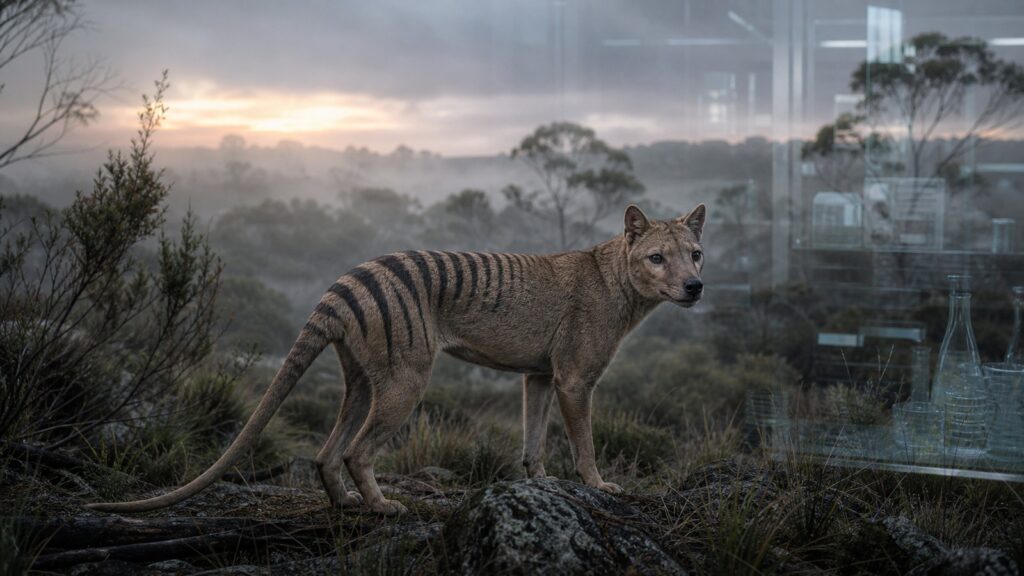
A mounted animal head that changed hands at a Bristol saleroom has been formally identified as a specimen of the thylacine, the extinct marsupial widely known as the Tasmanian Tiger.
- A natural history collector paid £62,600 for the taxidermy after it was first listed as an antique fox head priced at £50.
- X-ray imaging arranged through a specialist thylacine database confirmed the identification.
- Experts describe it as only the second known mounted head of the species, despite a gap in its recorded history.
How the Identification Happened
James Cranfield, a collector based in Leigh-on-Sea, Essex, bought the mounted head earlier this month from Auctioneum in Bristol. The 38-year-old had been convinced from the moment he examined the lot in person that it was far more than the antique fox head described in the sale listing. He was not alone: another bidder shared enough of that suspicion to push the price well beyond the modest £50 starting figure, with the sale eventually settling at £62,600.
Confirmation arrived on a Sunday, when Cranfield learned from the International Thylacine Specimen Database that radiographic images had matched the anatomy of a thylacine. The database keeps a catalogue of every known specimen of the species, and its project director, Dr Stephen Sleightholme, said the examination reached its conclusion without serious difficulty. That cataloguing role is especially relevant because the newly identified head arrived without a documented ownership history. He also praised the buyer for recognising the object’s importance and bringing it forward for study.
What the Thylacine Was
Although its appearance was sometimes compared with a dog, the thylacine belonged to the marsupials and ate meat. The species survived longest in Tasmania after disappearing much earlier from mainland Australia and New Guinea. Pressure from hunting, illness, and habitat loss contributed to its decline. The final known animal died at Hobart Zoo in 1936.
Because a discovery like this is rare, any newly identified specimen draws attention from researchers. Sleightholme noted that this particular head is entirely lacking a documented provenance, meaning its earlier ownership and origin cannot be traced. Even so, he called it a notable find, describing it as only the second recorded example of a mounted thylacine head. That absence of a paper trail concerns this specimen alone and does not speak to the wider record of surviving material. Its undocumented history remains unresolved.
Where the Specimen Goes Next
Cranfield has said he hopes to secure assistance in extracting DNA from the head, which could reveal more about the animal and the species it belonged to. He also intends to lend the piece to museums so it stays publicly accessible, with a longer-term plan to display it at his own venue, the Curiosity Cabinet in Southend-on-Sea, Essex.
The find is a reminder that mislabeled objects can surface anywhere old collections change hands, from a formal auction in Bristol to an estate sale in Lexington, KY. The useful habit is the same in either setting: look closely, question a label that does not fit, and bring in an expert before drawing a conclusion.
