
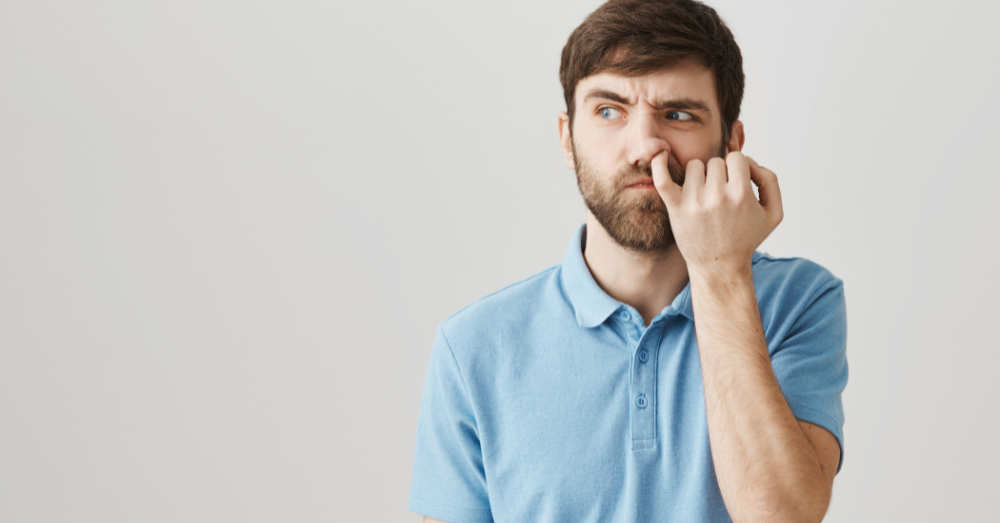
If you’re one of the 90% of people who pick their nose, you might want to break that habit. Recent research is exploring a surprising connection between this common behavior and Alzheimer’s disease, and the findings are making scientists take notice. While the link is still being studied, the theory involves harmful bacteria traveling from your nose directly to your brain, potentially triggering the inflammation and protein buildup associated with dementia.
- Around 90% of people pick their noses regularly, making it one of the most common yet socially taboo habits worldwide.
- Australian researchers found that nose picking can introduce Chlamydia pneumoniae bacteria into the olfactory nerve, which then travels to the brain and triggers the deposition of amyloid beta proteins that form sticky plaques, disrupting cell communication and causing brain cell death.
- Board-certified neurosurgeon Betsy Grunch recommends practicing good nasal hygiene by avoiding nose picking and plucking nose hairs.
The Science Behind the Nose-Brain Connection
Your nose does more than help you smell dinner. The olfactory nerve in the nose provides a direct route to the brain that bypasses the protective blood-brain barrier. This makes it a vulnerable entry point for bacteria and viruses looking for a shortcut to your central nervous system.
A 2022 study from Griffith University in Australia was the first to show that Chlamydia pneumoniae can go directly up the nose and into the brain, where it sets off pathologies that look like Alzheimer’s disease in mice, with evidence being “potentially scary for humans as well.” The bacteria infected the central nervous system within 24 to 72 hours.
The medical term for chronic nose picking is rhinotillexomania. A 1995 survey of adult residents in Wisconsin found that 91% admitted to picking their noses, with 1.2% confessing to doing it at least once per hour. Whether you’re in Muncie, IN, or anywhere else in the country, chances are you or someone you know picks their nose more often than they’d like to admit.
How Bacteria Reach Your Brain
When picking causes internal tissue damage, bacteria have a clearer path to the brain, which responds in ways that resemble signs of Alzheimer’s disease. Think of it like creating tiny highways for harmful germs to travel on.
Chlamydia pneumoniae has been found in the majority of human brains affected by late-onset dementia. This bacterium shares company with other pathogens found in the brains of people with Alzheimer’s, including bacteria that cause pneumonia, the herpes virus, coronavirus, and even the cat-derived parasite Toxoplasma gondii.
Researchers suggest that nose-picking transfers pathogenic microorganisms from the hand into the nose, changing the nasal microbiome from a symbiotic to a pathogenic type, with possible consequences of chronic low-level brain infection via the olfactory system, subsequent neuroinflammation, and neurodegenerative diseases, including Alzheimer’s.
What Happens in Your Brain
Alzheimer’s disease is a progressive neurodegenerative condition affecting over 7 million Americans. The disease is characterized by memory loss, impaired thinking, and changes in behavior. But what actually causes these symptoms?
When bacteria enter the brain through the nasal pathway, they can cause inflammation that exists seemingly without symptoms on the outside but may leave behind harmful plaques of protein that contribute to neurodegenerative diseases. These amyloid beta plaques are the hallmark of Alzheimer’s, gumming up the works in your brain and preventing proper cell communication.
Because the brain’s smell-processing centers are among the first areas damaged by Alzheimer’s, smell tests have become a non-invasive way to screen for Alzheimer’s risk. This connection between the olfactory system and memory areas makes the nose a particularly concerning entry point for pathogens.
Should You Really Worry?
There are several caveats to consider, especially since the supporting research so far is in mice rather than humans. Still, the findings are worth further investigation. Scientists are still working to understand whether the effects seen in animal studies translate directly to people.
Researchers suggest that picking and plucking nose hair is “not a good idea” because damaging the lining of the nose can increase the number of bacteria that can enter the brain. The tissue inside your nose acts as a protective barrier, and when you damage it, you’re basically rolling out the welcome mat for harmful microorganisms.
What You Can Do About It
If you’re a habitual nose picker, don’t panic. Researchers urged readers to refrain from putting their fingers in their noses and, if they must, to wash their hands thoroughly before they do, emphasizing regular hand-washing.
Other alternatives include using a tissue to blow your nose when it feels congested, keeping your nasal passages moisturized to prevent dryness and crusting, and trimming your nails regularly to minimize potential damage if you do pick. Breaking the habit might be tough, especially if you’ve been doing it since childhood, but your brain might thank you later.
The research is still developing, and scientists are planning future studies in humans. Until we know more, keeping your hands away from your nose and practicing good hand hygiene seems like a simple way to play it safe.
