
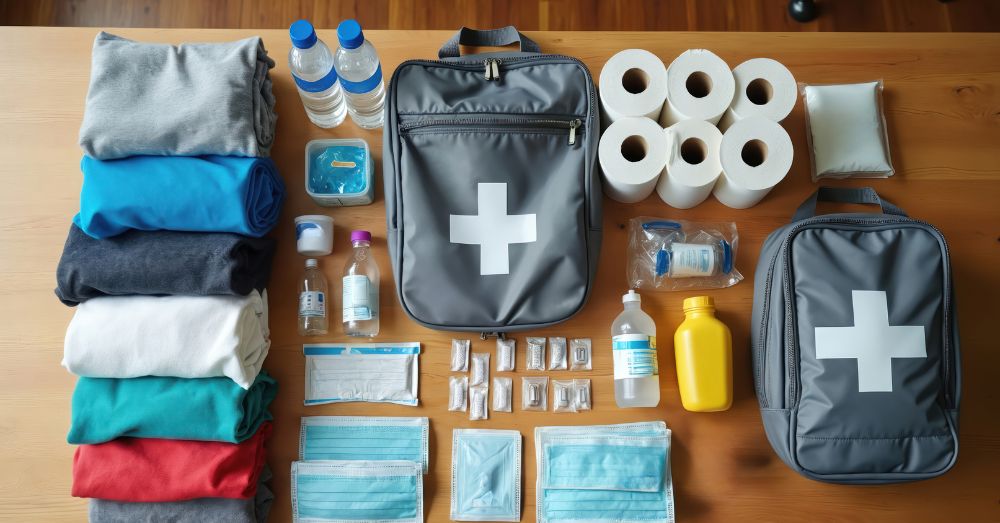
Nobody wakes up thinking today is the day their pipes freeze, their power goes out, or their city issues a boil water notice. But somewhere in America right now, someone is filling their bathtub with water and wishing they had bought that filter last month. Getting prepared is easier than you think, and you don’t need a bunker to do it.
- Water disruptions, power outages, and extreme weather events are becoming more common, but simple preparations can make a huge difference in how you weather them.
- Your prep priorities should focus on water storage, backup power, and sanitation since those three things fail most often during emergencies.
- Building your emergency kit over time makes the process painless on your wallet and your schedule.
Water Goes First (And It Goes Fast)
When most people picture disasters, they imagine dramatic stuff like tornadoes or earthquakes. But the most common emergency many of us will face is way less cinematic. It’s losing access to clean water. Just ask residents of Waterbury, CT, who dealt with a major water main break in December 2025 that left large portions of the city without water service and under a boil water advisory.
Storing water is straightforward. Aim for at least one gallon per person per day, with a minimum three-day supply. Stackable water containers or collapsible jugs work great for this. For treating questionable water, grab a gravity filter, some purification tablets, or keep a metal pot and camp stove handy for boiling.
And yes, we need to talk about toilets. When water pressure disappears, your bathroom becomes a problem fast. Heavy-duty trash bags, a five-gallon bucket with a lid, and some cat litter will handle the sanitation situation nobody wants to discuss but everyone needs to plan for.
When Cold Weather Takes Out Everything at Once
Winter Storm Uri in February 2021 gave Texas a brutal lesson in cascading failures. More than 4.5 million homes lost power, some for several days, and at least 246 people died from the crisis. Natural gas plants went offline, equipment froze across the grid, and boil water advisories lasted nearly two weeks in some areas.
Extreme cold causes problems to pile up fast. Power goes out, then pipes freeze because you can’t run your heat. According to a University of Houston survey, Texans who lost power during Uri averaged 42 hours without electricity.
Your cold weather prep should include an inverter generator with proper outdoor ventilation (carbon monoxide kills more people than the cold in many outages), quality sleeping bags, and layered clothing. A battery-powered carbon monoxide detector belongs on your list too.
Wildfires, Hurricanes, and Chemical Spills
Wildfires hit you three ways at once. You might need to evacuate fast, you’ll be breathing smoky air, and your water system could be compromised. The August 2023 Maui fires damaged drinking water infrastructure and triggered unsafe water advisories.
Keep a go-bag packed with copies of important documents, cash in small bills, phone chargers, medications, and sturdy shoes. For smoke protection, stock N95 masks and consider a HEPA air purifier.
Hurricanes give advance warning, which sounds great until you realize everyone rushes to buy supplies at the same time. Plan for longer disruptions than you expect. Stock shelf-stable meals, a manual can opener, and a camp stove with fuel. Waterproof storage bins protect your supplies from flooding.
Remember the East Palestine, Ohio train derailment in February 2023? Industrial accidents can force sudden decisions about evacuation versus sheltering in place. Keep a NOAA weather radio with fresh batteries, and maintain your gas tank at least half full as a habit.
Heat Waves Are the Silent Killer
Extreme heat doesn’t make dramatic footage, but it kills more Americans annually than floods, tornadoes, and hurricanes combined. When the Pacific Northwest heat wave hit in June 2021, temperature records shattered across the region.
Cooling without central air requires creativity. High-velocity fans, cooling towels, and reflective window coverings all help. Store extra water and grab some electrolyte packets. If you have elderly family members, children, or anyone with medical conditions, make sure they have a plan for getting somewhere cool.
Should You Start Building Your Kit Today?
You don’t need to do this all at once. Start with items you already have, like a flashlight, extra batteries, copies of important documents, water and non-perishable food. Add a few items each month during regular grocery trips. Check seasonal sales for deals on camping gear and battery backups.
Keep three days’ worth of food, water and medication for your household. Build from there based on your local risks. Coastal residents should focus on flood and hurricane prep. Wildfire-prone areas need evacuation readiness. City dwellers might prioritize water and power backup.
The worst time to start preparing is when everyone else is doing the same thing. Get your basics sorted during a boring Tuesday afternoon, and future you will be grateful.
